
Currently Empty: $0.00
Teaching in International Schools in Turkey – Everything You Need to Know
July 26, 2025
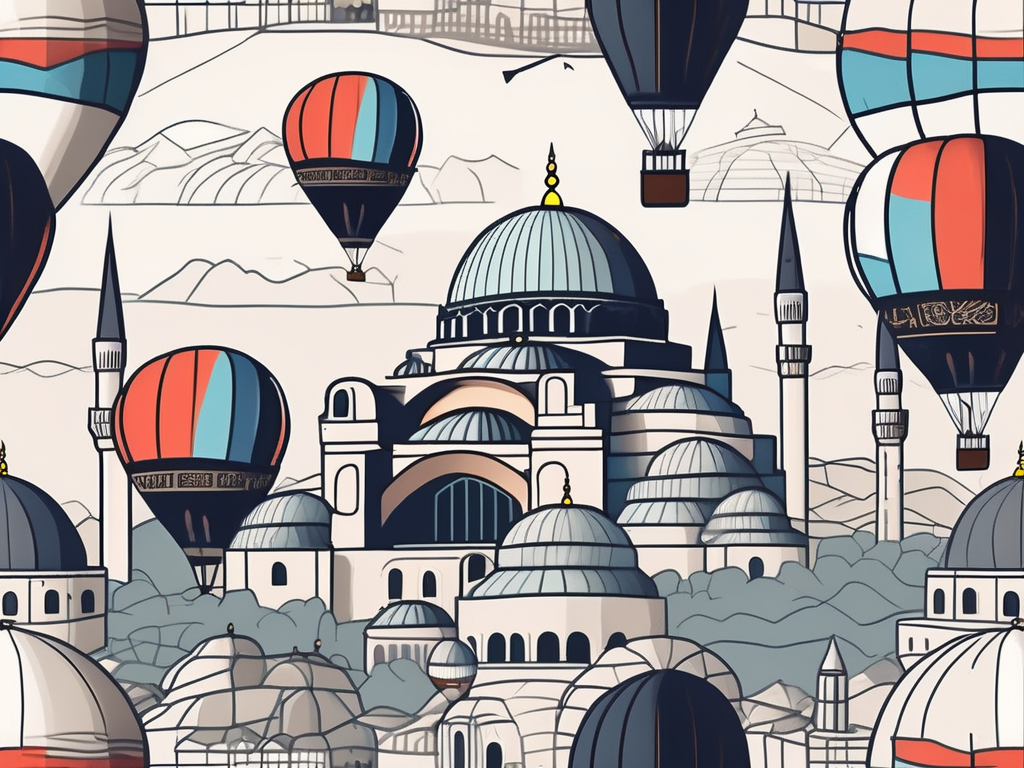
Turkey, a country that straddles both Europe and Asia, is a fascinating blend of ancient cultures and modern sensibilities. It’s a place where you can find yourself teaching in a classroom one day, and exploring the ruins of an ancient civilisation the next. But what does it really mean to teach in an international school in Turkey? Let’s delve into the details.
Understanding the Turkish Education System
The Structure
The Turkish education system is divided into four main stages: pre-primary, primary, secondary, and higher education. Pre-primary education is optional and caters to children aged 3-5 years. Primary education, which is compulsory, spans grades 1-8 and caters to children aged 6-14 years. Secondary education, also compulsory, covers grades 9-12 and caters to students aged 15-18 years. Higher education includes universities and other institutions.
International schools in Turkey, however, may follow a different structure, often based on the curriculum of another country, such as the UK or US. These schools typically offer primary and secondary education, with some also offering pre-primary and higher education.
The Curriculum
The curriculum in Turkish public schools is standardised and overseen by the Ministry of National Education. It includes a broad range of subjects, including Turkish language and literature, mathematics, science, social studies, foreign languages, and physical education.
International schools in Turkey, on the other hand, often follow the curriculum of their home country or an international curriculum such as the International Baccalaureate (IB). This means that the subjects taught and the teaching methods used can vary significantly from those in Turkish public schools.
Teaching in International Schools in Turkey
The Benefits
Teaching in an international school in Turkey comes with a host of benefits. For starters, you’ll have the opportunity to work in a multicultural environment, with students and staff from all over the world. This can be a great way to broaden your horizons and gain new perspectives.
Additionally, international schools often offer competitive salaries and benefits packages, including housing allowances, health insurance, and flight reimbursements. Some schools even provide tuition benefits for teachers’ children.
The Challenges
While there are many benefits to teaching in international schools in Turkey, there are also challenges to consider. One of the main challenges is the language barrier. While English is the medium of instruction in most international schools, Turkish is the official language of the country and is widely spoken outside of the school environment.
Another challenge is cultural differences. Turkey has a rich and diverse culture, and it can take time to understand and adapt to local customs and traditions. However, this can also be seen as an opportunity to learn and grow.
How to Get a Teaching Job in an International School in Turkey
Qualifications
Most international schools in Turkey require teachers to have a bachelor’s degree in education or a related field, as well as a teaching certification from their home country. Some schools may also require a master’s degree or additional qualifications, such as TEFL or TESOL certification for teachers of English.
Experience is also highly valued, with many schools preferring candidates who have at least two years of teaching experience. Experience teaching in an international school or teaching the specific curriculum of the school can be particularly advantageous.
The Application Process
The application process for teaching jobs in international schools in Turkey can vary from school to school. However, it typically involves submitting a CV and cover letter, followed by an interview process. This may include a teaching demonstration or a request for references.
It’s worth noting that the hiring season for international schools in Turkey generally runs from January to March, although vacancies can arise at any time of the year.
Living and Working in Turkey
Cost of Living
The cost of living in Turkey is generally lower than in many Western countries. Housing, groceries, and transportation are all relatively affordable. However, costs can vary depending on the city and lifestyle choices. For example, living in Istanbul, the country’s largest city, can be more expensive than living in smaller cities or towns.
Work-Life Balance
Work-life balance can vary depending on the school and the individual’s role. However, many teachers in international schools in Turkey report a good work-life balance, with reasonable working hours and ample time to explore the country and its culture.
Overall, teaching in an international school in Turkey can be a rewarding and enriching experience. It offers the chance to immerse oneself in a new culture, work in a diverse and stimulating environment, and make a difference in the lives of students. So why not take the plunge and explore the opportunities that await in Turkey?
Enhance Your Teaching Career with IPGCE
Ready to elevate your teaching credentials and unlock new opportunities in international schools like those in Turkey? IPGCE is here to guide you through the process. Our International Postgraduate Certificate in Education is tailored for educators seeking to enhance their qualifications and overcome the common barriers to career progression. With IPGCE, you’ll join a global network of professionals, gain a deeper understanding of international curricula, and enjoy the flexibility of online study. Embrace the chance to make a significant impact on your career and your students’ futures. Join the UK’s #1 Teacher Training Course today and start your journey towards a fulfilling international teaching experience.